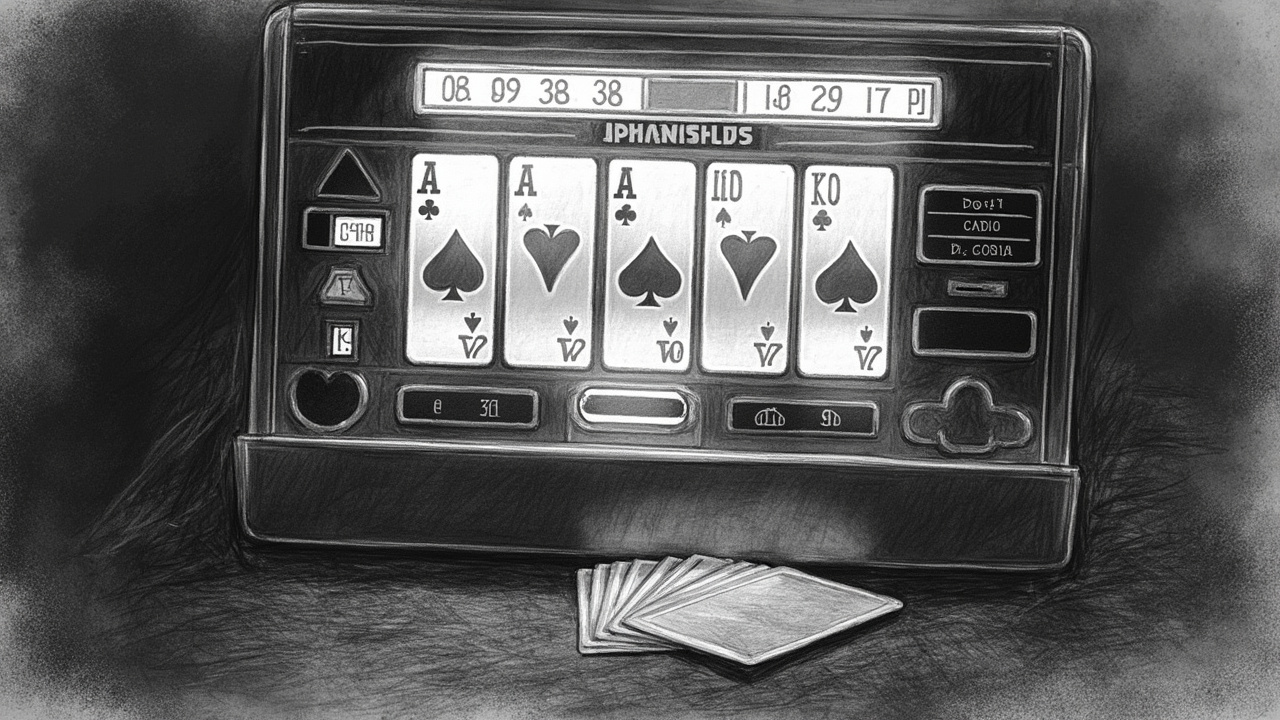
If you’re in Western Sydney on a slow arvo and want something more hands-on than spinning reels, video poker can feel like a solid pick. I’ve spent two decades matching esports operations to iGaming product builds, so I know when a lobby actually helps you play rather than just showing you more stuff. This piece walks through how to play video poker the way it lands in a real lobby, from seat selection to payout maths, with a few practical notes for local readers.
Reading the lobby before you sit down

A good lobby should let you spot the right machine without hunting through tabs or guessing which provider owns which table. In a well-organised game mix, you’ll see video poker grouped alongside table and live content, with clear provider tags so you know whether you’re looking at a 9/6 Jacks or a tighter variant. Search should filter by denomination, paytable shape, and bet range, not just by game name, because discovery matters when you’re deciding where your time goes. I’ve seen Stake.com partnerships push for cleaner lobby organisation, and the lesson carries over here: when the lobby surfaces full-pay options near the top, you spend less time guessing and more time comparing the actual maths. If you want a sharper way to compare casino play before you commit, full-pay video poker: a smarter way to compare casino play is worth a read. For Australians, that means a lobby that sorts by paytable and stake range saves you from accidentally dropping into a short-pay machine just because it was listed first.
How the hand actually plays out
Once you’ve picked a machine, the flow is straightforward: you set your coin value and bet per line, draw five cards, then hold the ones you want to keep and draw replacements. The paytable tells you what each final hand is worth, and the return comes from how often the draw lands on those paying combinations. I’ve run tournament operations where timing and clarity mattered more than flash, and video poker works the same way – the rhythm is yours to control, but the paytable dictates the ceiling. A practical session usually looks like this:
- choose a denomination that matches your bankroll plan, not your mood
- check the full paytable for the top hand and the jack-of-all-trades payout cialisyytr.com Full-pay video poker: a smarter way
- decide your hold strategy before the draw, not after
- manage bet size so a cold streak doesn’t wipe a session in one go
When I’m judging a product, I look for whether the interface makes the paytable easy to read and the hold buttons obvious, because a cluttered screen turns a simple decision into a second-guessing mess. For local players, that clarity is the difference between a focused half-hour and a distracted one where you’re chasing symbols instead of playing hands.
Paytables, returns, and the maths you can actually use
The numbers on the screen are the whole game, so a paytable isn’t just decoration – it’s the return profile you’re actually playing against. A 9/6 Jacks-or-Better layout pays nine coins for a full house and six for a flush on a one-coin bet, which is the benchmark most players use when they’re comparing machines. Anything tighter than that shifts the return down, and the difference adds up over a long session. I’ve worked on product launches where the bonus mechanics and payout curves had to line up with the advertised experience, and the same discipline applies here: if the paytable doesn’t match the marketing, the maths will tell you quick enough. A machine that looks friendly because of bright graphics can still be a short-pay variant once you read the top payouts and the royal flush contribution. For Australians, that means reading the paytable first and treating the theme as window dressing, because the return is what you’re really choosing when you press deal.
Sessions, stakes, and the local reality
A sensible session starts with a stake plan that fits the machine’s denomination and your own limit, not the other way around. Video poker rewards patience more than speed, so setting a time box and a loss limit before you start keeps the session from turning into a drift. I’ve seen global betting-market growth happen when products gave players clear boundaries and honest paytables rather than pretending a flashy lobby was enough, and the same logic holds for a quiet local session. Support and registration should be straightforward, with mobile play that keeps the paytable visible and the hold controls easy to tap, because a cramped screen on a phone turns a simple hold decision into a fumble. Cameron Baker, Board Member, Australian Gaming Futures, has pointed out that players benefit most when the product makes the rules and the payouts plain, rather than burying them under layers of theme and noise. For Australians, that means a mobile-friendly layout with a visible paytable and clear limits is more useful than a polished lobby that hides the actual return behind animations.

A quiet session beats a rushed one, and the best way to play video poker is to treat the paytable as the map, not the theme. If you’re sitting down in Western Sydney with a limit in mind and a machine that shows its numbers clearly, you’ve got a shot at a focused half-hour instead of a scattergun spin. No worries if the first hand doesn’t cooperate – the game rewards discipline more than luck, and that’s the part worth keeping front of mind.