How to Play Poker With Marginal Hands: A Measured Review
Getting a tricky hand into the money without blowing your stack comes down to discipline, and that same instinct carries across to where Aussies choose to play online. The best operators make it easy to register, fund an account in AUD, and jump from a quiet cash game to a fast tournament without fuss. If you want a quick look at how live-style table action fits alongside digital table options, the crazy time casino page breaks down how one operator parcels that mix for players.
Reading marginal holdings starts with position and the price you are being offered. When you are out of position with a second-pair hand or a weak ace, folding is often the play that keeps you in the game for the next orbit. In late position, the same holding can turn into a probing bet that steals the pot or forces a worse hand to commit chips they should not have. The trick is to price your action against the board texture and the likely range of your opponent, not the story you want the hand to tell. Good rooms keep tables moving at a sensible pace and show clear pot odds, so you can make these calls with your eyes open rather than guessing.
Spotting When a Marginal Hand Deserves Action
A marginal hand is usually one step above garbage and one step below a clear value bet, which is exactly why it punishes impatient players. Hands like weak suited connectors, middle pair on a scary board, or top pair with a weak kicker all live in that grey zone where you are hoping the board helps more than it hurts. The first question to ask is whether your hand has any realistic equity against the range you are up against, or whether you are just chasing a feeling. If the answer is mostly hope, the disciplined move is to keep your footprint small and wait for a cleaner spot. crazy time casino
Using Position and Bet Sizing to Keep Control
Position changes the whole conversation because it tells you how much information you will have before you must act. On the button with a marginal holding, you can take a measured stab at stealing the blinds or probing for a cheap read, and that is where a lot of these hands earn their keep. Out of position, the same hand often becomes a liability because you are calling or betting into players who get to see your action first. Sizing matters just as much here: a small, well-timed bet can keep weaker hands in the pot when you want to realise equity, while a bloated shove usually hands an edge to anyone still in the hand.
Folding, Pot Control, and Knowing When to Walk Away
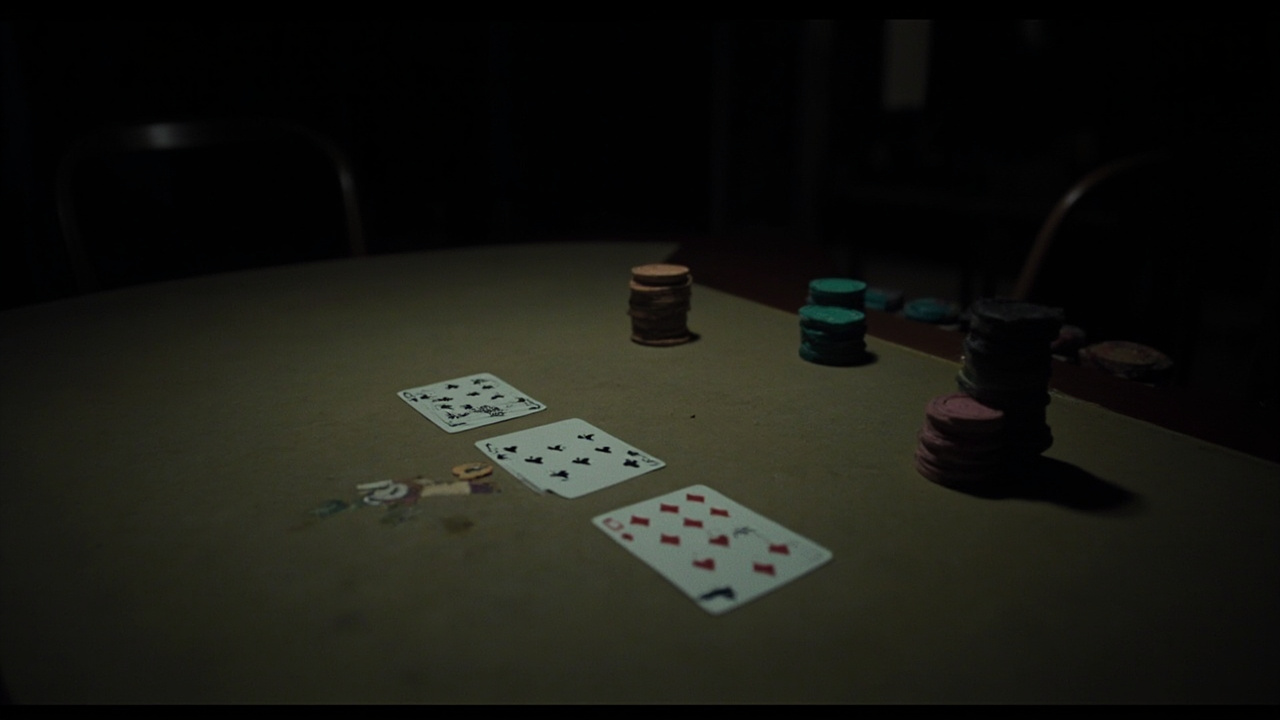
The best marginal-hand play is often the one that sounds boring, which is folding at the right moment and keeping your stack intact for a better run. Pot control is the companion skill, because checking or calling small on dangerous textures keeps you in the hand without buying a river card you did not ask for. This is where experience shows up as restraint rather than aggression, and that same kind of restraint matters when you are picking an operator to play with. In my work leading business partnerships at Massive Gaming, I see the same commercial judgement call across studios and operators: the rooms that grow sustainably are the ones that price risk honestly and do not pretend a weak spot is a feature. If a table or a tournament feels stacked against sensible play, walking away is a legitimate result, not a failure. Sofiya-digital
Who This Approach Suits Best
This style suits players who would rather stay in the tournament than chase a hero call with half their stack already in the middle. It is a fit for the regular who treats a marginal hand as a question to answer, not a story to force, and who is comfortable being the one folding when the board goes cold. If you like steady, position-aware play and want an operator that keeps registration, AUD balances, and mobile access straightforward, you will feel more at home where the tools support disciplined decisions instead of pushing you toward reckless action. No worries if you prefer a quieter seat and a slower pace – that is a legitimate way to play, not a lesser one.
There is a reason people still talk about Fortuna, the Roman goddess of luck and chance, as an ancestor of Lady Luck, because even the best judgement calls leave room for the cards to do what they want. The practical upside is that marginal hands reward patience and position, and the operators worth your time are the ones that let you make those calls without friction. If you want to compare how one operator handles funding and table access through a familiar payment path, the guide on poker через PayPal offers a useful angle on what to check before you sit down.